Most afternoons after school I was in my dad's electronics lab, wiring LEDs to switches and
sticking fans into plastic boxes just to see what would happen. In 7th grade I spent a whole
weekend getting an Arduino to print ten characters, "Loading...", and I thought that
was a great use of a weekend. I still do this. If the standard way is too easy, I'll happily
spend three times the effort doing it my own way.
That's how I ended up in Human Centered Design & Engineering at UW, and then in Information
Science at Cornell, a department that lets you wander around instead of sticking to one track.
My research asks what machines would be like if they were allowed to play, and what kind of
relationships people build with robots that are curious, idle, or just busy with their own
thing.
How I work. I usually start from a feeling (wind lifting a dandelion, a heavy
cart in a hotel hallway) and sketch interactions around it. Then I prototype fast, in pixels and
in hardware, put it in front of people, watch what they actually do, and go again.
As a TA, students often tell me my explanations are easy to follow, mostly because I teach with
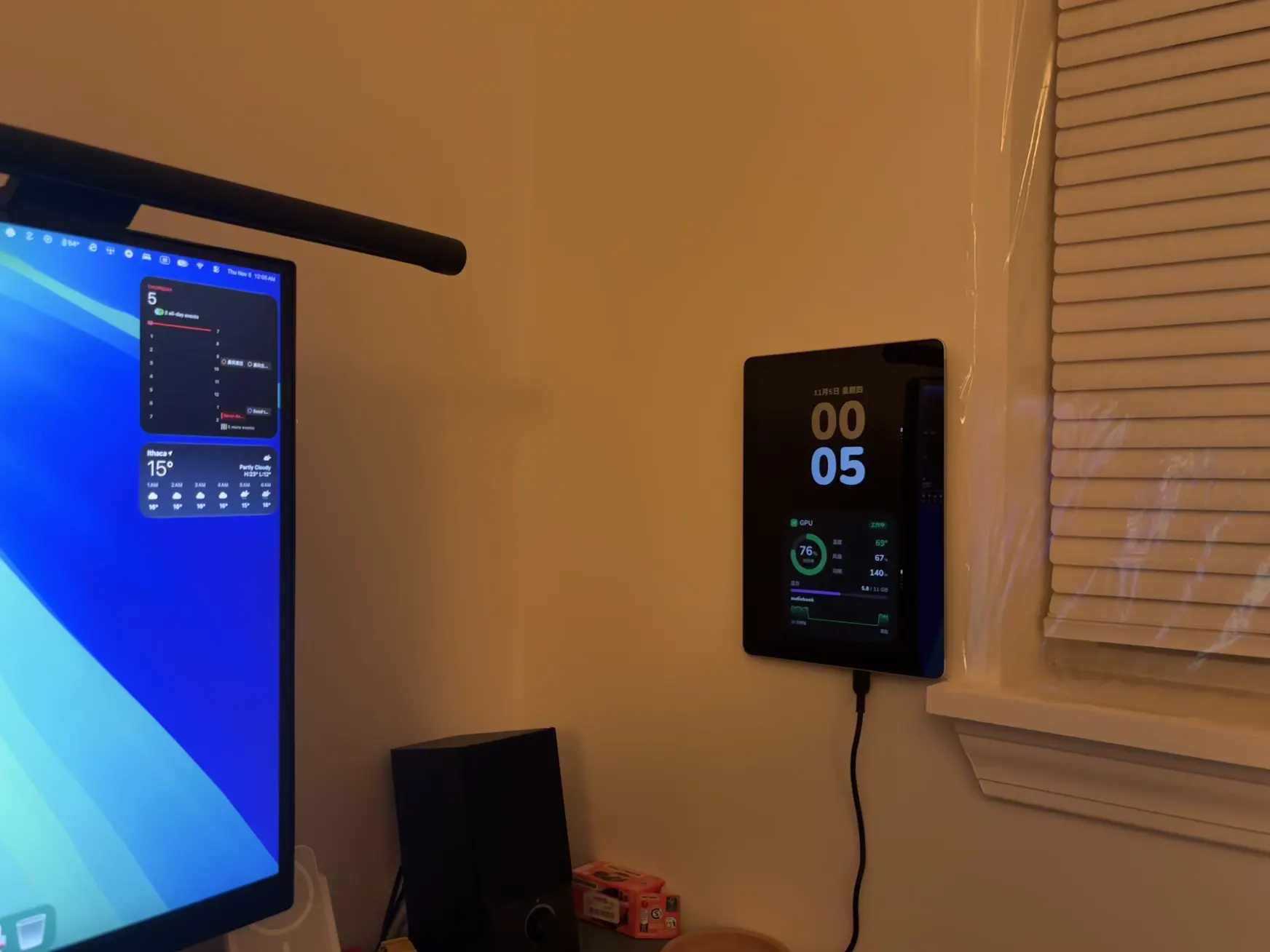
lots of examples. Outside the lab I run a home server for my own AI, cloud drive and library,
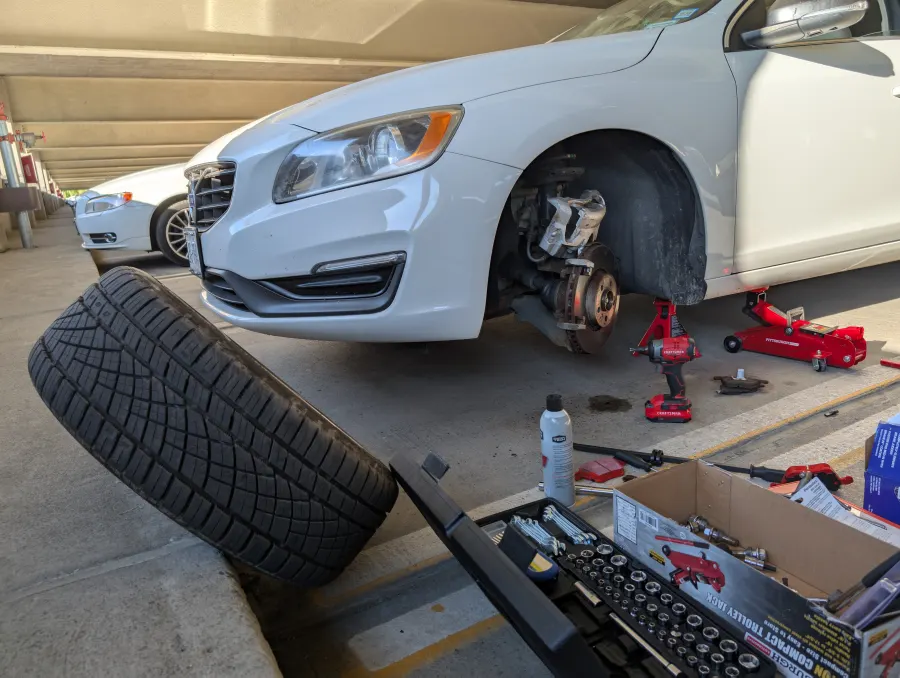
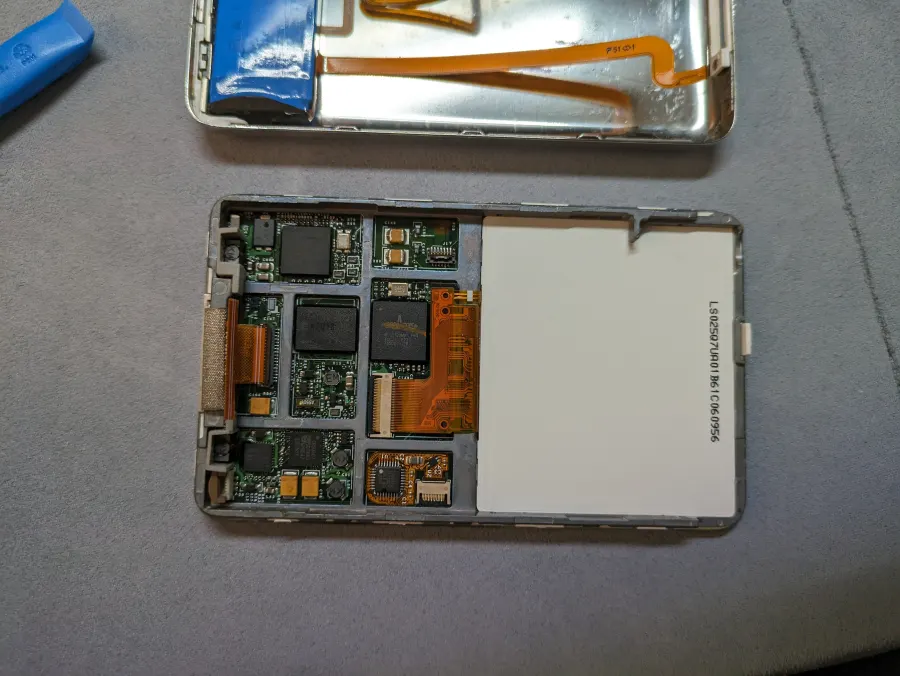
keep old iPods and phones alive, and fix my 2015 Volvo V60 myself. I usually end up spending
more on tools than the repair would've cost.